


Toddlers, typically children between one and three years old, are in a critical developmental stage. Their world is expanding rapidly, and they are learning to navigate their environment, communicate, and express themselves. Art and craft activities offer a structured yet open-ended avenue for this exploration, providing a foundation for future learning and development. These activities are not merely about creating a finished product; they are about the process. The act of engaging with materials, experimenting with textures, and making choices stimulates various domains of development in young children.
Introduction to Toddler Art and Craft Activities
Art and craft activities for toddlers differ significantly from those designed for older children. The primary focus is on sensory exploration and developing fundamental skills rather than achieving artistic mastery. For toddlers, every dab of paint, every tear of paper, and every squeeze of playdough is a learning experience. These activities are characterized by their simplicity and safety, using non-toxic materials and requiring minimal instruction. The goal is to encourage spontaneous interaction and discovery, allowing toddlers to lead their own creative journeys.
The Role of Play in Toddler Art
Play is the language of childhood, and art for toddlers is intrinsically linked with play. When a toddler scribbles on paper, they are not necessarily trying to draw a specific object; they are exploring the movement of their hand, the mark the crayon leaves, and the interaction between themselves and the material. This playful experimentation builds a foundation for understanding cause and effect, developing fine motor control, and fostering a sense of agency. The lines between art and play blur, offering a rich environment for learning.
Age-Appropriate Materials and Supervision
Selecting appropriate materials is paramount for toddler art activities. They must be non-toxic, easy to handle, and safe if ingested. Examples include chunky crayons, washable paints, large pieces of paper, playdough, and various textures like cotton balls or fabric scraps. Direct adult supervision is essential during all art and craft activities with toddlers. This ensures their safety and allows adults to guide their exploration, offer encouragement, and intervene if necessary. Supervision also provides opportunities for verbal interaction, enriching the learning experience.
Exploring Creativity through Nursery Art Projects
Nursery art projects serve as a gateway to creative thinking for toddlers. These projects are designed to be open-ended, allowing for individual interpretation and expression. Unlike directed crafts where the outcome is predetermined, art projects in the nursery emphasize the journey of creation. For instance, rather than instructing a child to paint a specific flower, they are given paint and paper and encouraged to explore colors and strokes. This approach fosters a sense of ownership over their work and validates their unique contributions.
Encouraging Experimentation with Mediums
Offering a variety of mediums encourages toddlers to experiment and discover different tactile and visual experiences. Finger painting allows for direct sensory engagement with color and texture. Sponges or brushes introduce tools that extend their reach and alter their mark-making. Collage activities, using pre-cut shapes or natural materials, encourage problem-solving and spatial reasoning as they arrange elements on a surface. Each medium presents a new set of possibilities and challenges, expanding their creative toolkit.
Valuing the Process Over the Product
In toddler art, the process of creation holds more value than the final product. A smudged painting or a crumpled piece of paper, while perhaps not aesthetically pleasing by adult standards, represents a significant developmental milestone for a toddler. It signifies engagement, exploration, and effort. Focusing on the process involves acknowledging the child’s actions (“Look at how you’re mixing those colors!”) rather than just praising the outcome (“That’s a nice drawing!”). This approach encourages continued experimentation and reduces anxiety about perfection.
Engaging Toddlers in Arts and Crafts at Nursery
Engaging toddlers in arts and crafts at nursery requires careful planning and a flexible approach. The environment should be inviting and stimulating, with materials readily accessible. The activities themselves need to be kept brief, catering to the short attention spans of young children.
Providing choices, even simple ones like “Would you like red paint or blue paint?” empowers toddlers and increases their engagement. The atmosphere should be one of encouragement and acceptance, where mistakes are seen as learning opportunities. For more tips on engaging toddlers in arts and crafts, you can visit this link.
Creating an Inviting and Accessible Art Space
The physical environment plays a significant role in engaging toddlers.
A designated art area, with a child-sized table and chairs, can signal that this is a space for creative exploration. Materials should be organized and easily accessible, perhaps in clear bins or low shelves. Using wipeable surfaces and floor coverings simplifies cleanup and allows toddlers to explore freely without fear of making a mess.
This accessible setup removes barriers to participation and invites spontaneous creativity.
Facilitating Choice and Autonomy
Allowing toddlers to make choices within the art activity fosters a sense of autonomy and ownership. This could involve choosing which colors to use, what type of paper to draw on, or which collage materials to incorporate. Even seemingly small choices contribute to their developing sense of self-efficacy.
When toddlers feel they have some control over their creative endeavors, they are more likely to participate enthusiastically and remain engaged for longer periods.
Fostering Creativity in Nursery Art and Craft Activities
Fostering creativity is about nurturing a child’s innate ability to imagine, innovate, and express themselves uniquely. In nursery art and craft activities, this means moving beyond simple instruction and encouraging divergent thinking. When a child approaches a task in an unexpected way, or uses materials for a purpose other than their obvious intention, that is a moment to celebrate. This approach expands their mental landscape, teaching them that there can be multiple solutions to a problem.
Open-Ended Prompts and Exploration
Instead of providing rigid instructions, open-ended prompts encourage toddlers to think creatively. For example, instead of “Draw a house,” a prompt like “What can you make with these shapes?” allows for a wider range of possibilities. Providing a collection of unrelated objects and inviting them to “make something interesting” sparks imagination. This unstructured approach allows their internal world to manifest externally, like a seed given fertile ground to grow in any direction it chooses.
Celebrating Uniqueness and Originality
Every toddler’s creative output is unique, even when working with the same materials. Celebrating these individual differences is fundamental to fostering creativity. When a child presents their work, acknowledge their effort and the unique choices they made. Statements like “Tell me about your painting” or “I see you used a lot of blue here” encourage reflection and validate their perspective. This positive reinforcement helps toddlers understand that their individual ideas are valued, building confidence in their creative abilities.
Benefits of Arts and Crafts for Toddlers in Nursery
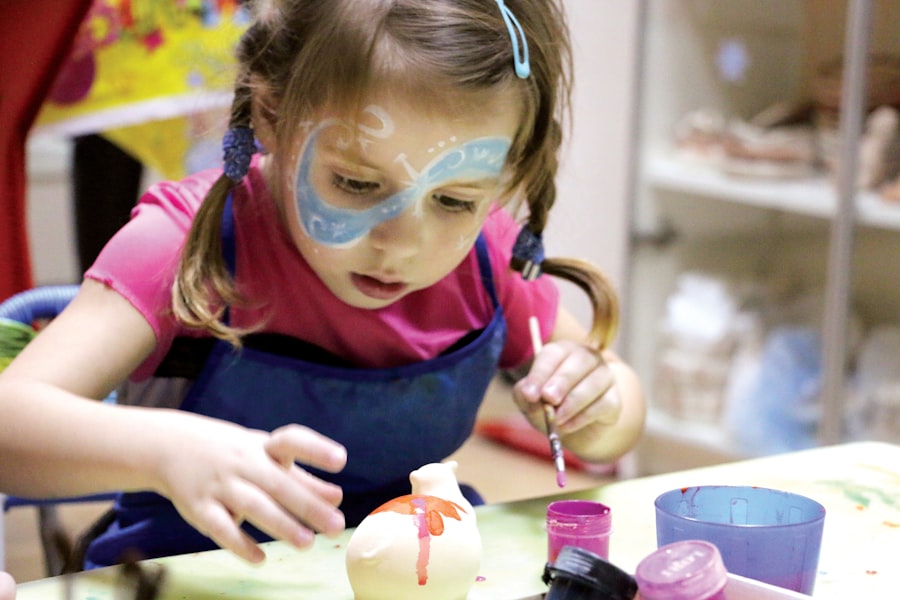
The advantages of engaging toddlers in arts and crafts extend far beyond the immediate act of creation. These activities lay groundwork for development across cognitive, physical, social, and emotional domains, providing a holistic learning experience. They are like a gentle stream, carving out new pathways in the developing brain, strengthening existing connections, and providing fresh water for growth.
Developing Fine Motor Skills
Arts and crafts provide numerous opportunities for developing fine motor skills, which are crucial for later tasks like writing and self-care. Holding a crayon, squeezing paint from a bottle, tearing paper, or manipulating playdough all require precise hand-eye coordination and muscle control. These repetitive movements strengthen the small muscles in the hands and fingers, improving dexterity and preparing them for more complex manipulations.
Encouraging Imagination and Expression
Art is a powerful tool for imagination and emotional expression. Toddlers often lack the verbal vocabulary to articulate complex feelings or ideas. Through art, they can communicate these thoughts visually. Scribbles, color choices, and arrangements of materials can reflect internal states or imaginative scenarios. This creative outlet provides a safe space for them to explore their inner world, fostering self-awareness and emotional literacy.
Building Cognitive and Problem-Solving Skills
Engaging in art activities involves a constant stream of informal problem-solving. A toddler might realize they need more glue to make a collage piece stick, or they might experiment with different colors to achieve a desired effect. They learn about cause and effect when they see paint spread on paper or watch their playdough take on a new shape. These experiences build cognitive flexibility and foundational problem-solving abilities, preparing them for more complex challenges later on.
Fostering Social and Emotional Development
While art can be an individual pursuit, group art activities in a nursery setting also foster social and emotional development. Sharing materials, waiting for turns, and observing peers’ creations teach valuable social skills. The act of creating and sharing artwork can boost a child’s self-esteem and provide a sense of accomplishment. Through collaborative projects, toddlers learn about cooperation and respecting different approaches, laying the groundwork for positive social interactions.
Incorporating Nature and Recycled Materials in Nursery Art and Craft Activities
Expanding the palette of materials to include elements from nature and recycled items adds another layer of learning and encourages environmental awareness. This approach takes art beyond traditional supplies, opening up a world of textures, shapes, and stories. It teaches toddlers that beauty and creativity can be found in unexpected places, transforming discarded items into valuable resources.
Using Natural Elements
Leaves, twigs, flowers, pinecones, and seeds can be incorporated into collages, paintings, or sensory bins. These materials introduce toddlers to various textures, scents, and forms, connecting them with the natural world. Collecting these items also serves as an activity in itself, encouraging observation and exploration of their immediate environment. Working with natural elements brings an organic, earthy feel to their creations.
Repurposing Recycled Objects
Cardboard tubes, bottle caps, fabric scraps, egg cartons, and plastic containers offer a wealth of possibilities for art and craft. These recycled materials encourage imaginative thinking as toddlers transform ordinary objects into something new. A cardboard tube might become a telescope, a bottle cap a button on a creature, or an egg carton a paint palette. This practice subtly introduces the concept of sustainability and resourcefulness, teaching them to see potential in what others might discard.
FAQs
What are the benefits of arts and crafts for toddlers in nursery?
Arts and crafts activities in nursery can help toddlers develop fine motor skills, enhance creativity, encourage imagination and expression, and foster a love for creating and exploring new ideas.
How can nursery art and craft activities help in developing fine motor skills in toddlers?
Nursery art and craft activities often involve using small tools like paintbrushes, scissors, and crayons, which can help toddlers improve their hand-eye coordination, dexterity, and control of small movements.
What are some ways to create a creative environment in the nursery for toddlers?
Creating a creative environment in the nursery for toddlers can involve providing a variety of art materials, incorporating nature and recycled materials into art projects, displaying children’s artwork, and encouraging open-ended exploration and experimentation.
How can nursery art and craft activities encourage imagination and expression in toddlers?
Nursery art and craft activities can encourage imagination and expression in toddlers by allowing them to freely explore different materials, colors, and textures, and by providing open-ended prompts that allow for individual interpretation and creativity.
What are some examples of nursery art and craft activities that incorporate nature and recycled materials?
Examples of nursery art and craft activities that incorporate nature and recycled materials include creating nature collages with leaves and flowers, making art with recycled cardboard or paper, and using natural materials like pinecones and shells in craft projects.

